 Behavior Management – Advice from Me (Mrs. B.)
NO – Say “NO!” forcefully, firmly, and purposefully for safety issues. Say “Absolutely Not”, for questions and infractions against Program Values. Say “Yes, When” or “Yes, If” or even “Maybe. Let’s talk about it”, whenever you can. “Yes, we can go to the playground when all the toys are put away” or “Yes, you may have the truck when he is through with it” or “Maybe we can put the doll in the water table if we can figure out how to dry her out later. What do you think?”
The Truth about Consequences – Consequences (penalties, if you must) must be totally nonviolent, age appropriate, behavior appropriate, relevant and meaningful to the child, and not harmful to the self-esteem. Whenever possible, match the consequence to the offense (biting to get attention=loss of attention; throwing toy=loss of toy; hitting others=loss of privilege of playing with others). Let the punishment fit the crime.
Time Out – Time Out or the system of removing a child who has done something harmful to a place where he can think about his infraction, really needs to be called Time Without because it is time without your attention that will be the most effective consequence. If your classroom is filled with wonderful things to do and see and taste and experience, time without participating in that will be even more of a motivator for peaceful and safe behaviors (and a deterrent to ugly behaviors). Do not confuse a Time Out area with a Quiet Space, which is a comfortable classroom space for a child to go when he is homesick, upset, or not feeling tip-top.
If a time out system is used, make sure it is age appropriate in time – one or two minutes per year of age. Explain to the child why he’s being ‘banished’ and see that he stays in the designated area for the right amount of time. Don’t forget the child sitting in the time out area. Remember to return to him, remind him why he was “benched”, and move on with your day.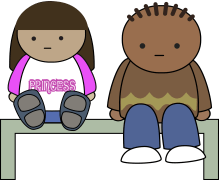
Use It, Don’t Abuse It – Time Out, Time Without, Thinking Time, or whatever you call it, can be very overused, misused, and can totally lose its effectiveness. Removal from the action is a consequence that should be saved for harmful behaviors only. Yes, there are occasions when a child’s behaviors need to be addressed by his removal – even from the classroom – and even for more than a few minutes. If a child has continuing harmful behaviors and his removal keeps other children safe, do not hesitate to remove him, but make sure parents are made aware of the serious nature of his behaviors and take an active role in making a plan for eliminating the behaviors. Remember, it is zero tolerance for the behavior, not the child.
Privacy – Remember that a child needs the most love when he is acting the most unlovable. Do not scold, chastise, or punish a child in an open forum as a lesson to others or to shame him. The point of discipline is to teach self-regulation, not to dishonor a child among his peers or scare him into being “good”. Give him ownership of his behavior. Allow the personal burden of the responsibility of that ownership and give him the consequence of the unwanted behavior, but don’t damage his self-esteem.
Apologies – Many teachers have ‘offenders’ verbally apologize or hug it out after hurting someone. This level of remorse is not a typical emotional skill for a preschooler, but you can ask him to do this to help build ownership and the beginnings of empathy. A better way to instill empathy is for the teacher to model it by making sure the victim of the behavior is given attention first and foremost. I’m not really big on apologies, because I think there should be a firm appropriate but negative consequence for causing harm, not just a quick, Sorry. My bad”.
Forgive and Move On – We need to forgive children for their mistakes and ugly behaviors. It’s important to move beyond unfortunate incidents and not get bogged down in the negativity of the moment and carry it into the rest of the day) or week, month, or year). Inability to do this sometimes results in a child becoming know as ‘the bad kid’, and this is a very damaging label.
Next blog: From the Trenches II – Bullying
 Teach 'Em the Way They Learn