 Long, long, long, really long years ago, when television was newer, there was a character on “The Many Loves of Dobie Gillis” (about teenagers in the 50-60’s) called Maynard G. Krebs. He was a beatnik – later called hippies, now slackers – who never had a job. Every time another character said the word, “work”, Maynard would do an exaggerated repulsed shudder and yell, “WORK?!?!” It was funny in 1960.
When it comes to young children, there is no better way to build self-esteem and to build your classroom into a cohesive community of learners than to put everyone – EVERYONE – to work every day.
Work engenders ownership and the benefits of ownership for young children are these:
- When they have ownership of their bodies, they learn to use them more appropriately and to protect them with safety, nutrition, and health
- When they have ownership of their environment, they learn to respect and care for it
- When they have ownership of their actions and behaviors, they learn to be more aware of the consequences of those actions
- When they have ownership of their attempts and their mistakes, they learn to keep trying
- When they have ownership of their decisions, they learn to make better ones
- When they have ownership of the learning process, they become increasingly self-sufficient, independent, and smarter (and Mission Accomplished!)
It is hard for some teachers to give ownership to very young children. Obviously, the teacher must ALWAYS be present as an integral part of the process by assuring physical and emotional safety, setting the stage, offering concepts and language, encouraging continuous progress by asking the right kinds of questions, and assessing progress and need, but she must know when to step aside and let learning happen.
I call this Hokey-Pokey Teaching – you should know when to put your whole self in and your whole self out.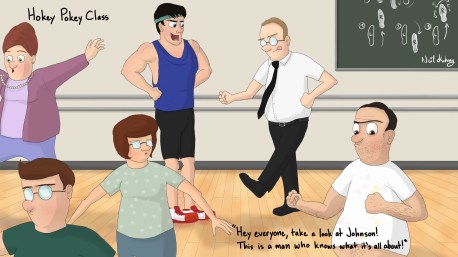
Some of us find this giving of ownership and assignment of responsibility hard because of our feeling that teachers should be LARGE and IN CHARGE to keep everyone safe and to keep the classroom from becoming chaotic. Many of us feel that giving young children so much independence reflects badly on US and some of us feel the day simply runs more smoothly if the teacher handles everything.
STEP BACK, ladies and gentlemen of the early education persuasion!
It is smarter and easier – though it may be messier and harder to watch on occasion – to give the job of learning to the little learners.
Next Blog: Work II – The Art of Letting Go
 Teach 'Em the Way They Learn