I’m Telling Mom! – Some teachers prefer collaborating with co-workers first, but talking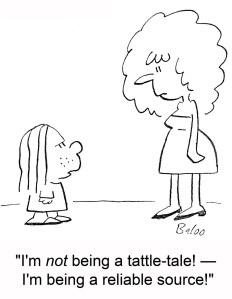 to parents about these concerns should be a very close second. Partnering with parents should be mandatory and can be done either informally or formally. Teachers who have good relationships with parents and who have clearly and continually communicated with them from the beginning of the school term have an easier time talking to them about assessment issues.
No parent deserves a surprise at mid-year or end-of-year conferences. Parents must be informed about all that involves their children – both positive and negative. When talking to parents, remember this motto: State the Strength and Note the Need! Say, “Thomas is a great listener (start with a strength). How do you feel about his speech development? (or) He doesn’t share often in Circle Time talk. (observed fact). This way, teachers and parents have a basis for a discussion of their observations and can move to the next steps in the assessment process.
Moving On Up – Collaboration with on-site or on-staff resources is limited to programs with therapists, counselors, education directors or consultants, but programs with less extensive staffs can also use senior teachers and administrators with education experience and degrees as “sounding boards” and second opinion collaborators. Using these persons means simply moving one step closer to a professional opinion about a child’s behaviors or skills which can assist a teacher in assuring that her observations are meaningful.
Next Blog: Documentation
 Teach 'Em the Way They Learn